

Meta Description: Ready to apply for overseas job vacancies? Follow this complete step-by-step guide covering everything from finding listings to submitting a winning application.
Focus Keyword: how to apply for overseas jobs, apply for jobs abroad, overseas job vacancy application
You’ve decided you’re ready to take the leap and apply for a job abroad. Maybe you’ve found a specific vacancy that excites you, or maybe you’re just starting to explore what’s out there. Either way, the actual application process for overseas positions involves several important steps that differ from applying for a local job, and getting each one right significantly increases your chances of success. This guide walks you through the entire process from start to finish.
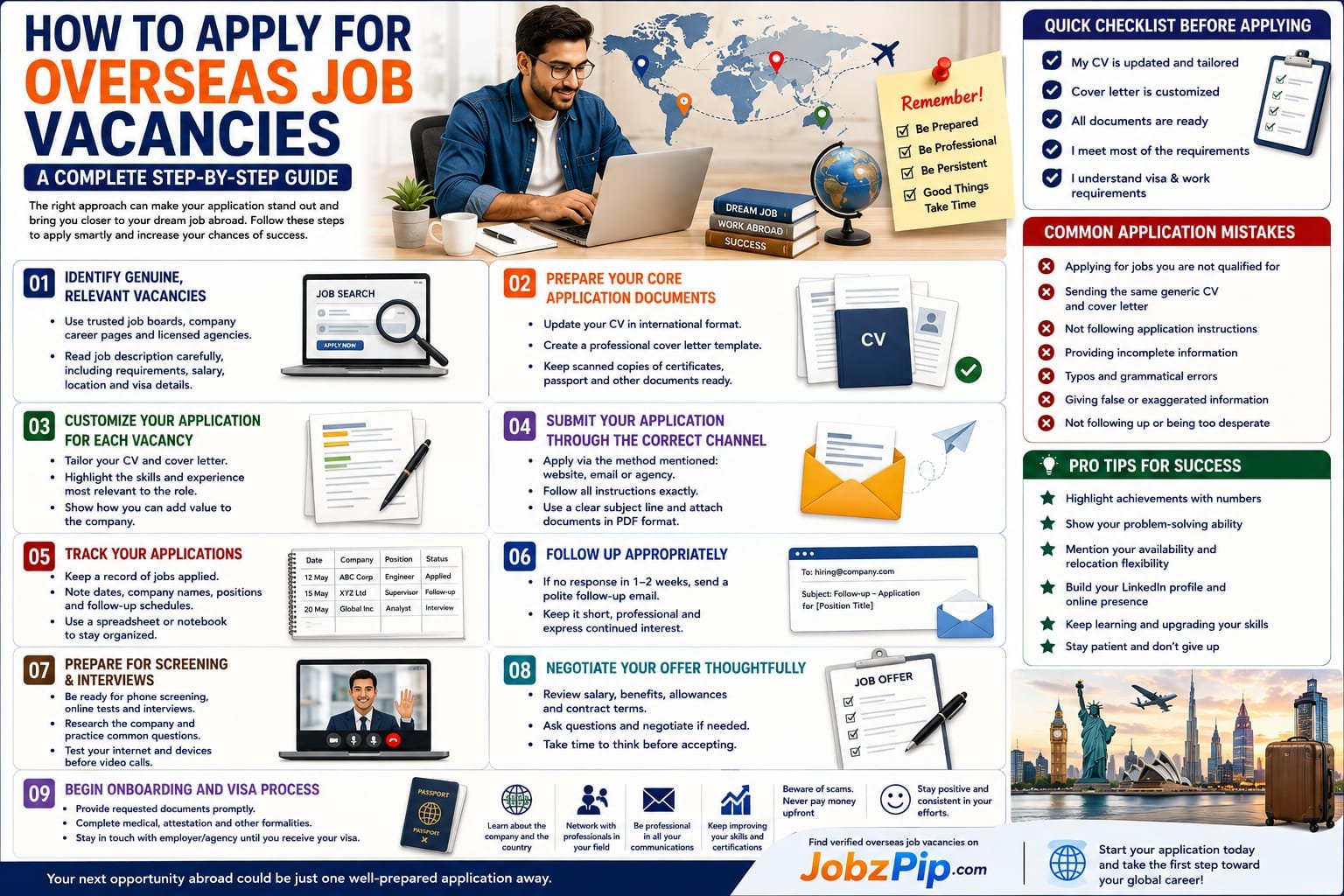
Step 1: Identify Genuine, Relevant Vacancies
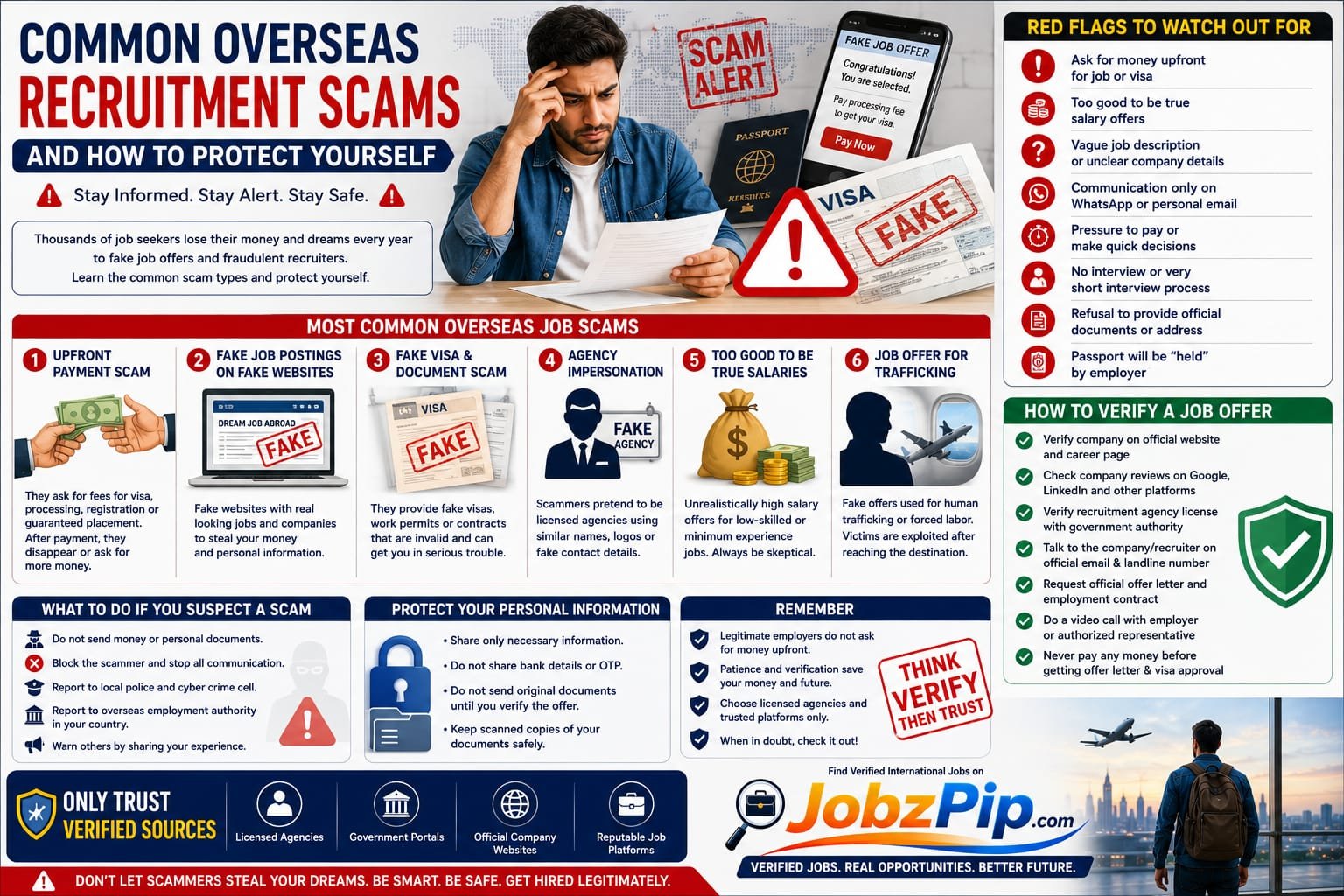
Before applying anywhere, make sure you’re targeting positions that genuinely match your qualifications and experience. Applying to dozens of unrelated jobs rarely works well; instead, focus your energy on positions where you meet most or all of the stated requirements. Use verified platforms like dedicated international job boards, official company career pages, and licensed recruitment agencies to find these opportunities, as covered in more detail in our other guides.
Read each job listing carefully, noting the specific qualifications, experience level, and skills required. Pay attention to details like whether the employer is sponsoring the visa directly, working through a licensed agency, or whether the listing requires you to already have work authorization in that country, since this significantly affects your eligibility.
Step 2: Prepare Your Core Application Documents
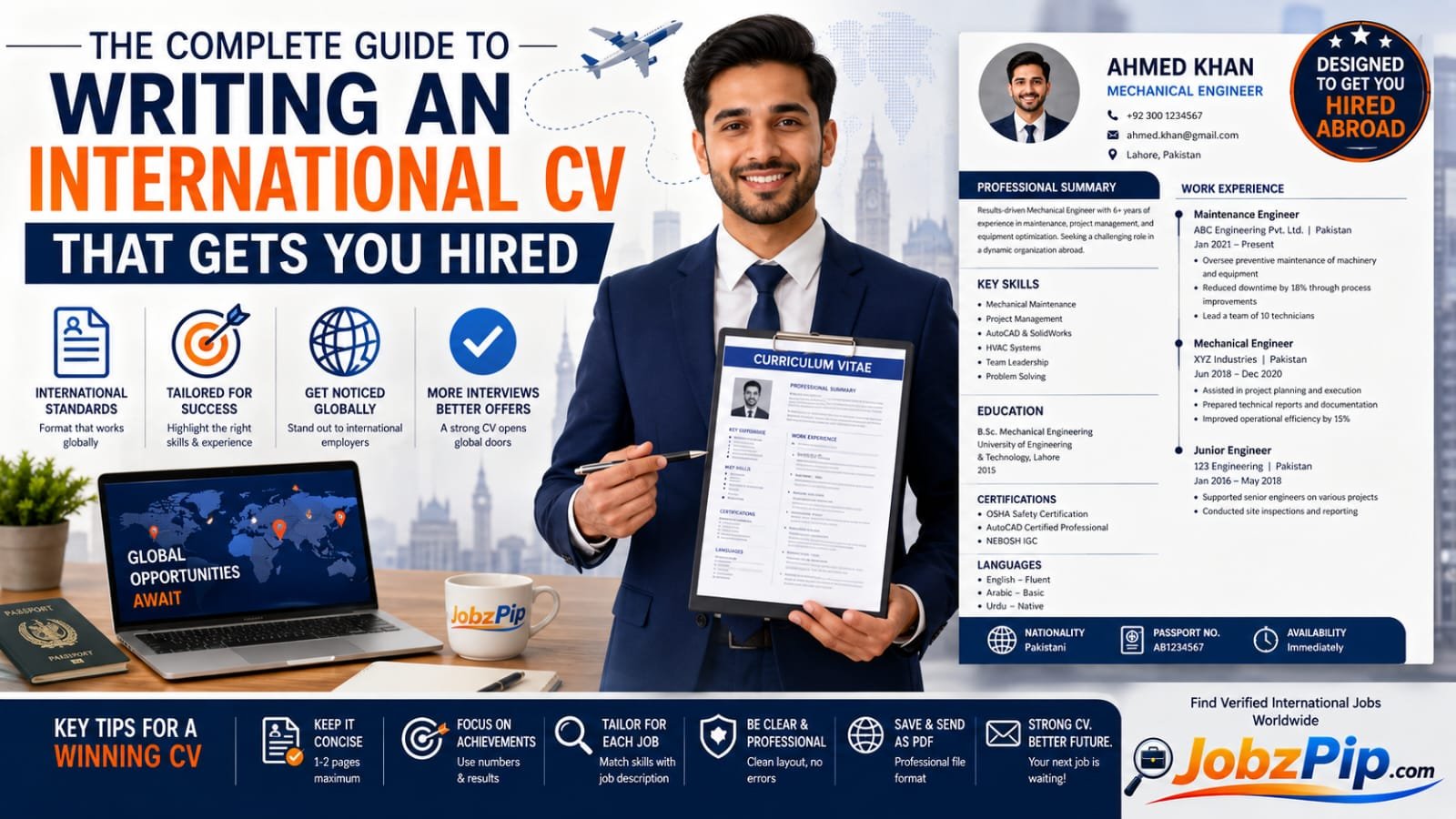
Before you start submitting applications, have your core documents ready and polished. This includes your international-standard CV, a template cover letter you can customize for each application, and digital copies of key certificates and qualifications. Having these prepared in advance means you can respond quickly to opportunities, which matters since many international positions, particularly time-sensitive vacancies, fill quickly once posted.
Step 3: Customize Your Application for Each Vacancy
While having template documents ready saves time, resist the temptation to send identical applications to every position. Take fifteen to twenty minutes per application to adjust your CV’s key skills section and rewrite your cover letter to specifically address that particular role and company. Mention the specific job title, reference something specific about the company, and highlight the two or three qualifications from your background that most directly match their stated requirements.
This customization dramatically increases your response rate compared to generic, one-size-fits-all applications, since it signals genuine interest and makes it easier for recruiters to see your fit for the specific role.
Step 4: Submit Your Application Through the Correct Channel
Follow the specific application instructions provided in the job listing exactly. Some employers want applications through their own website’s application portal, others prefer email submissions with specific subject line formats, and some work exclusively through recruitment agencies. Submitting through the wrong channel, or ignoring specific instructions like “include reference number in subject line,” can result in your application being overlooked entirely, regardless of how qualified you are.
If applying via email, write a brief, professional message in the email body itself, not just an attached cover letter, introducing yourself and stating clearly which position you’re applying for. Attach your CV and cover letter as clearly named PDF files.
Step 5: Track Your Applications
As you apply to multiple positions, keep a simple tracking system, even just a basic spreadsheet, noting the company name, position, date applied, application channel used, and any follow-up dates or responses received. This prevents confusion later when you start receiving responses and helps you follow up appropriately without accidentally duplicate-applying to the same position.
Step 6: Follow Up Appropriately
If you haven’t heard back within the timeframe mentioned in the job listing, or within about two weeks if no timeframe was given, it’s generally appropriate to send a polite follow-up email. Keep it brief: reference the position you applied for, the date you applied, and express continued interest, while asking if there’s any update on the application timeline. Avoid following up too frequently, as this can come across as pushy rather than genuinely interested.
Step 7: Prepare for Screening and Interviews
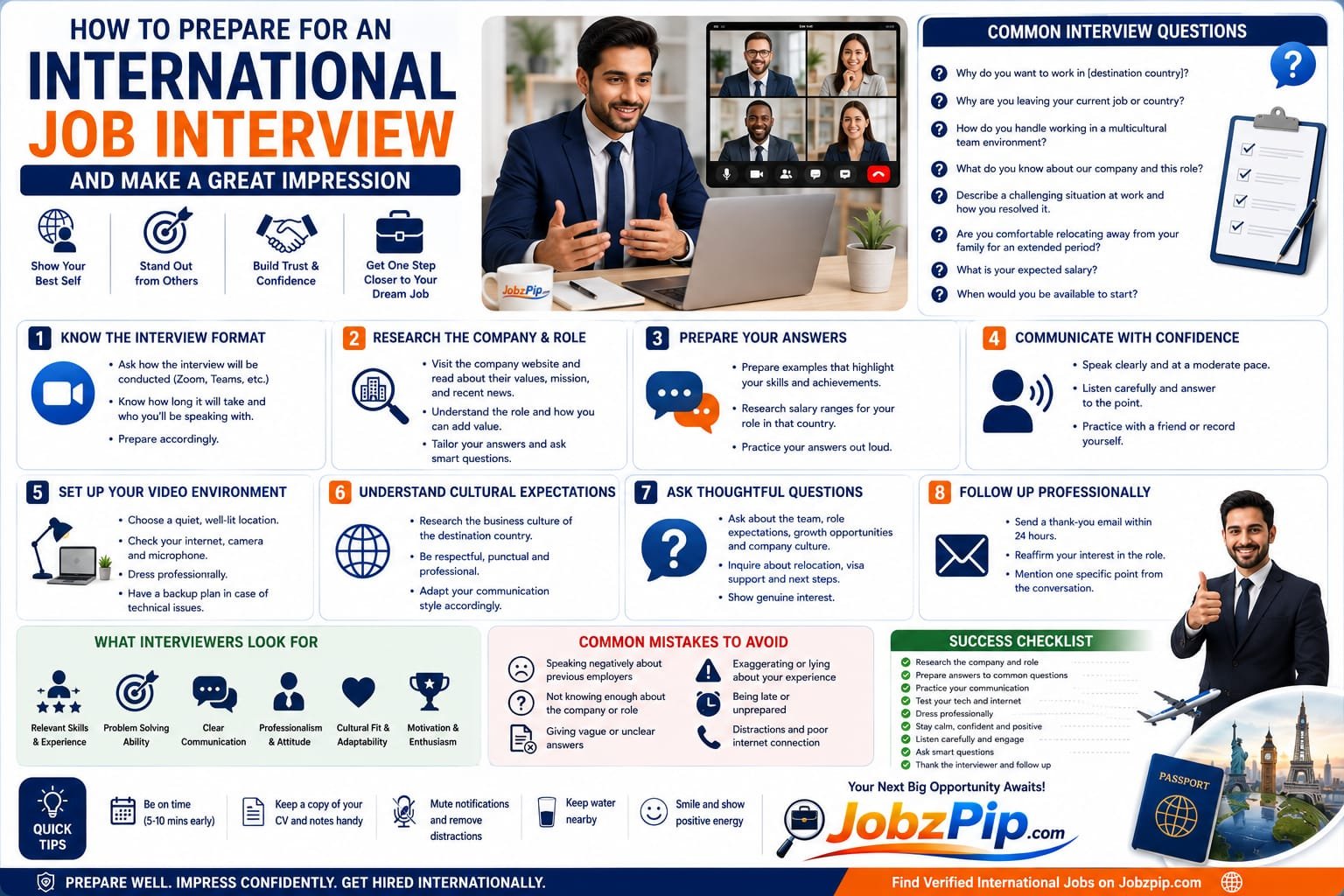
If your application is successful, you’ll typically move through one or more screening stages, which might include a phone screening, online assessments or skills tests depending on the role, and one or more interviews, usually conducted via video call for international positions. Prepare thoroughly for each stage, researching the company, practicing common interview questions, and testing your technology in advance for any video interviews.
Step 8: Negotiate Your Offer Thoughtfully
If you receive a job offer, take time to review it carefully before accepting. Understand the full compensation package, including base salary, any allowances for housing or transportation, annual leave entitlements, and end-of-contract benefits. If something in the offer doesn’t match your expectations or what was discussed during the interview process, it’s entirely appropriate to ask clarifying questions or, in some cases, respectfully negotiate specific terms, particularly for more senior or specialized positions.
Don’t feel pressured to accept immediately if you need a few days to review the offer carefully or discuss it with family. Most legitimate employers understand this is a significant decision and will allow reasonable time for you to respond, though be mindful of any deadlines they specify.
Step 9: Begin the Formal Onboarding and Visa Process
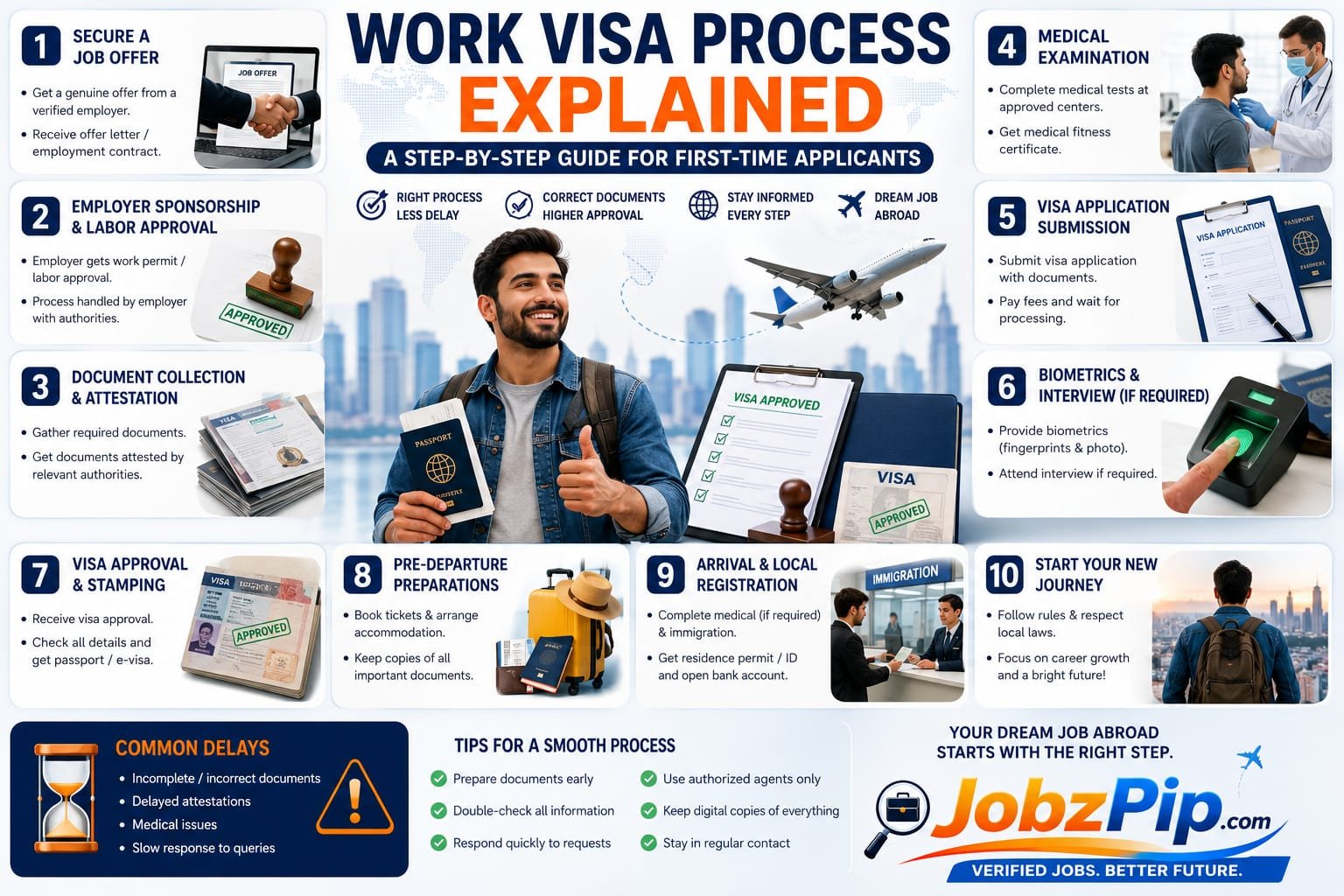
Once you’ve accepted an offer, the formal visa sponsorship and onboarding process begins, as detailed in our comprehensive guide to the work visa process. This typically involves your employer initiating labor approval processes on their end while you gather and submit required documents, complete medical examinations, and eventually receive your visa.
Stay responsive and organized throughout this stage, promptly providing any documents or information requested, since delays on your end can push back your start date and, in competitive situations, occasionally jeopardize the offer entirely if deadlines are missed.
Common Application Mistakes That Hurt Your Chances
Certain mistakes come up repeatedly among unsuccessful overseas job applicants. Applying without carefully reading the full job requirements, resulting in applications for roles you’re clearly not qualified for, wastes both your time and the employer’s. Submitting generic, non-customized applications reduces your chances significantly compared to tailored submissions. Failing to follow specific application instructions, like required subject lines or documents, can result in automatic rejection by some employers’ systems. Providing inconsistent information between your CV, cover letter, and application form creates confusion and raises credibility concerns for recruiters reviewing your application.
Staying Motivated Through the Process
It’s worth being honest that the overseas job application process often takes longer than expected, and rejection or silence is common, even for genuinely qualified candidates, simply due to the volume of applications employers receive for international positions. Don’t get discouraged by a lack of immediate responses. Continue applying consistently, refining your approach based on any feedback you receive, and remember that it typically only takes one successful application to change your career trajectory entirely.
Final Thoughts
Applying for overseas job vacancies is a process that rewards preparation, organization, and persistence. By identifying genuinely relevant opportunities, preparing strong core documents, customizing each application thoughtfully, and following through professionally at every stage, you significantly improve your chances of moving from application to offer letter. Stay patient, stay organized, and keep refining your approach as you learn what works best for your specific field and target destination.
Your next opportunity abroad could be just one well-prepared application away.
Ready to apply? Browse the latest verified overseas job vacancies on Jobzpip and start your application today.




Leave a Reply